




English
时间:2023-06-28 19:45:24 来源: 作者: 阅读量:
The School hosted the summer conference of "Interpreting the Management Thought of Chinese Entrepreneurs" Workshop (2023)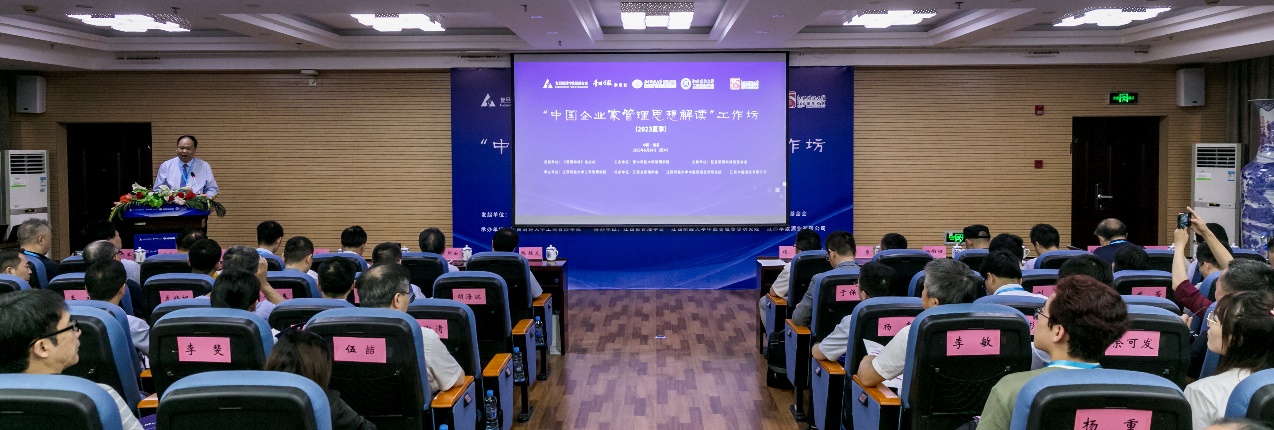
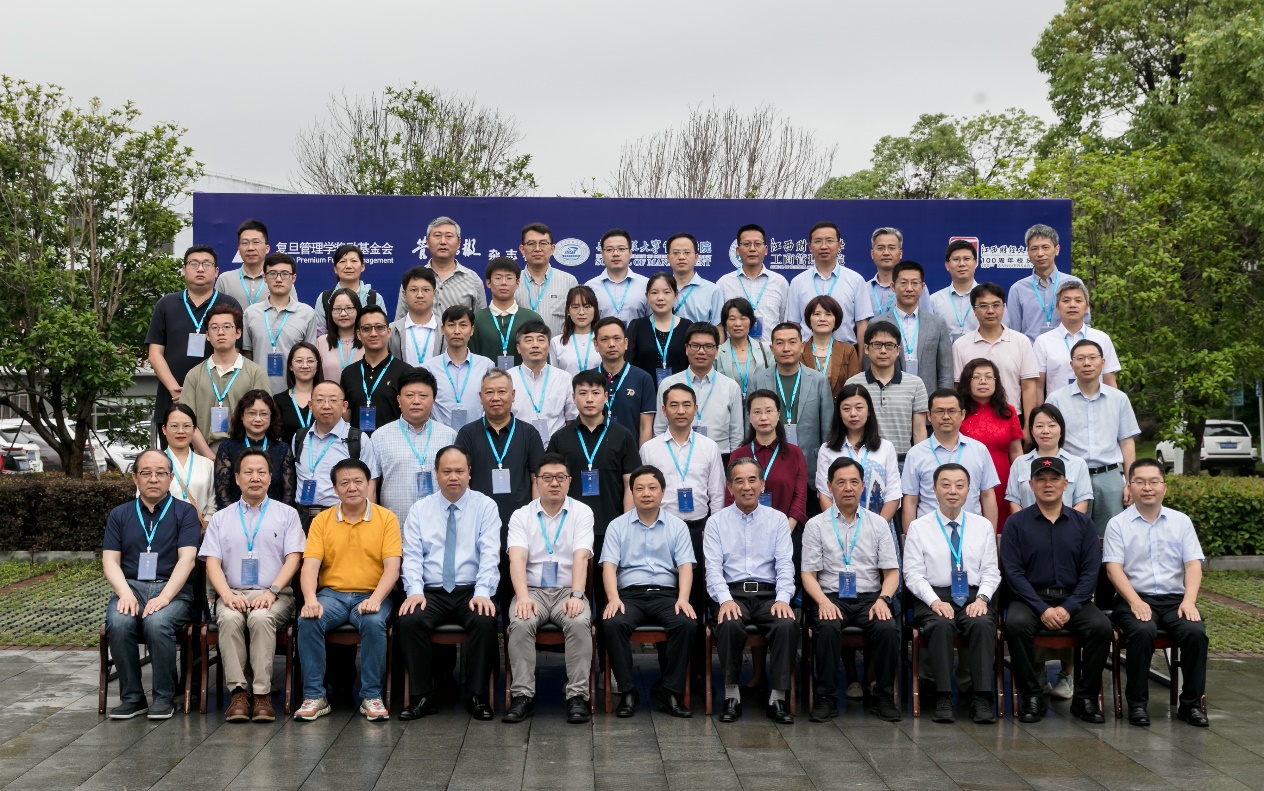
On June 24, "Interpretation of Chinese Entrepreneurs' Management Thoughts" initiated by Journal of Management, hosted by School of Management, Huazhong University of Science and Technology (HUST), supported by Fudan Management Incentive Foundation, hosted by School of Business Administration, Jiangxi University of Finance and Economics (JUFE), and co-hosted by Jiangxi Provincial Society of Management (JPSM), Institute of Chinese Management Thoughts of Jiangxi University of Finance and Economics (JUFE), and Jiangxi Lidu Wine Co. "Workshop (2023 summer) meeting was successfully held in Mai Luyuan Campus.
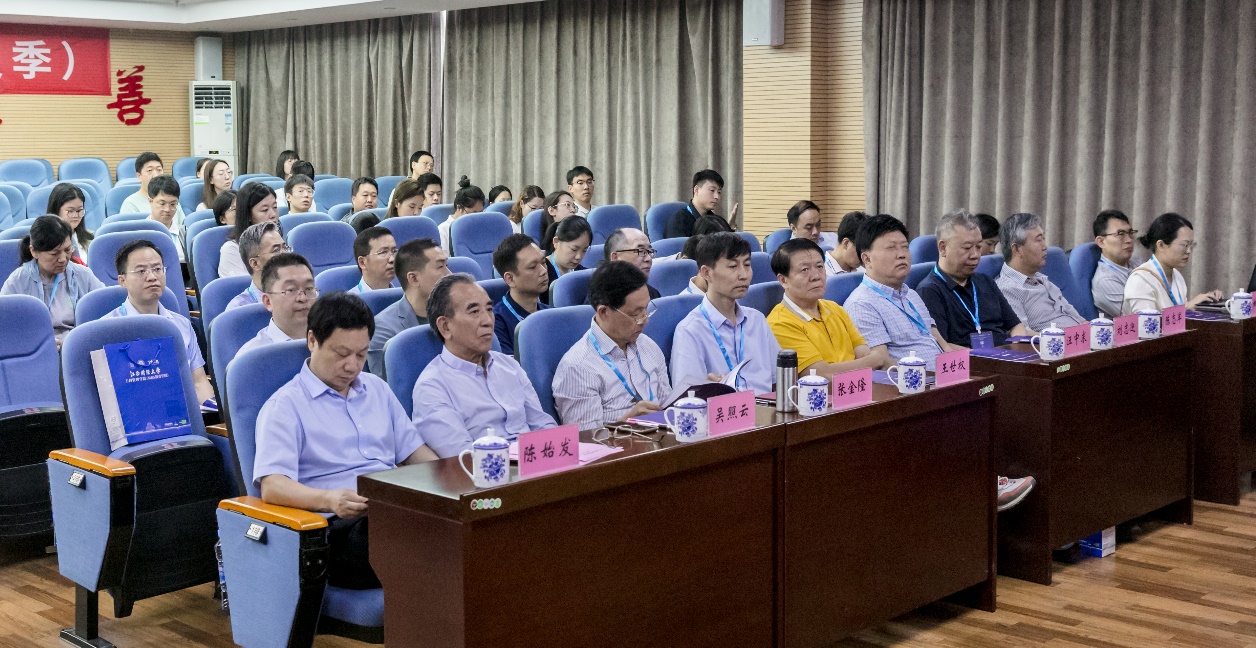
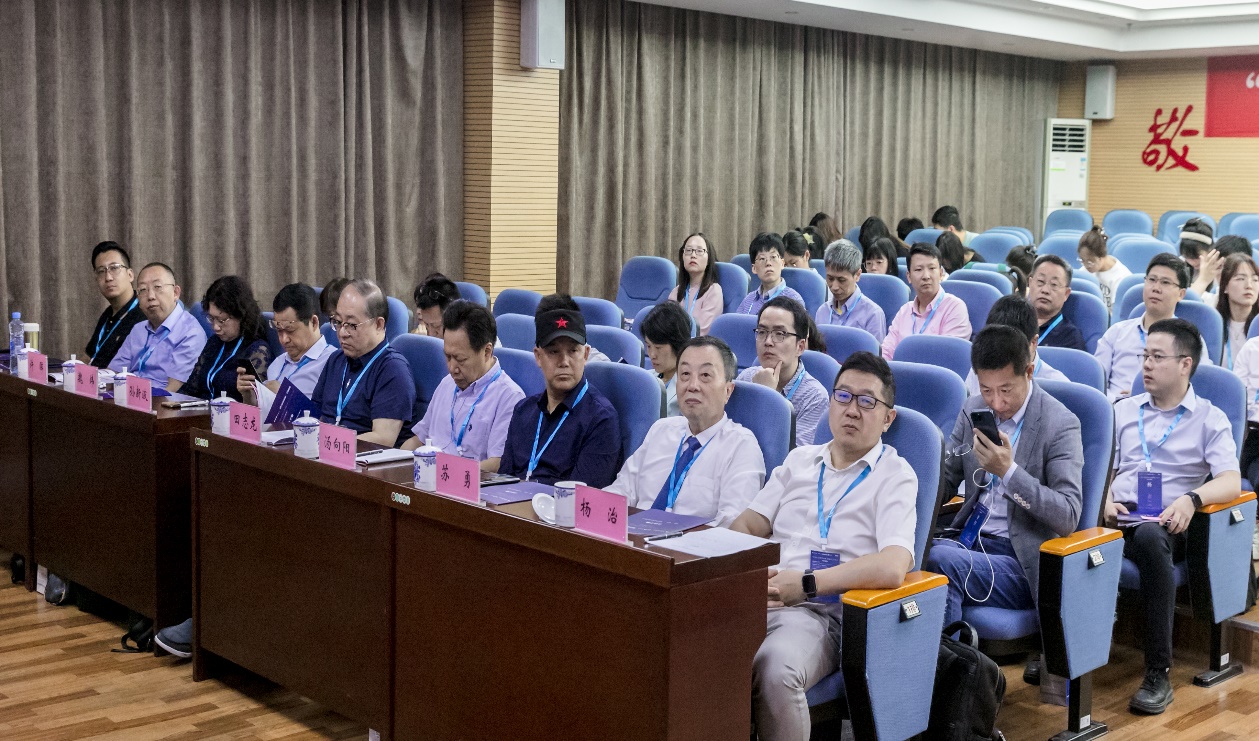
Chen Shifa, Standing Committee of the Party Committee and Vice President of Jiangxi University of Finance and Economics; Wu Zhaoyun, President of Jiangxi Management Association and former Vice President of Jiangxi University of Finance and Economics; Yang Zhi, Dean of the School of Management of Huazhong University of Science and Technology and President and Editor-in-Chief of Journal of Management; Zhang Jinlong, Editor-in-Chief Emeritus, and Tian Zhilong, Associate Editor-in-Chief; Su Yong, Founding Director of Oriental Institute of Management, Fudan University; Tang Xiangyang, Vice President of Jenji Lidu Group, President of Jiangxi Lidu Wine Industry Co. Mr. Wang Zhongqiu, Director of China Institute of Fine Management, Mr. Xu Hui from Nankai University Business School, Mr. Wei Wei from Peking University HSBC Business School, Mr. Liu Zhiying from University of Science and Technology of China School of Management, Mr. Wang Shiquan from Liaoning University of Engineering and Technology, Mr. Feng Hailong from Anhui University of Finance and Economics, Mr. Zhang Lu from Inner Mongolia Institute of Technology, Mr. Yao Xiaotao from Xi'an Jiao Tong University School of Management, Ms. Lin Haifen from Dalian University of Technology, and other experts from China. Lin Haifen, School of Economics and Management, and other more than 200 people from national universities, enterprises and magazines attended the meeting. Hu Haibo, Dean of School of Business Management, Jiangxi University of Finance and Economics, presided over the opening ceremony of the workshop.
Opening speech Appointment for licensing
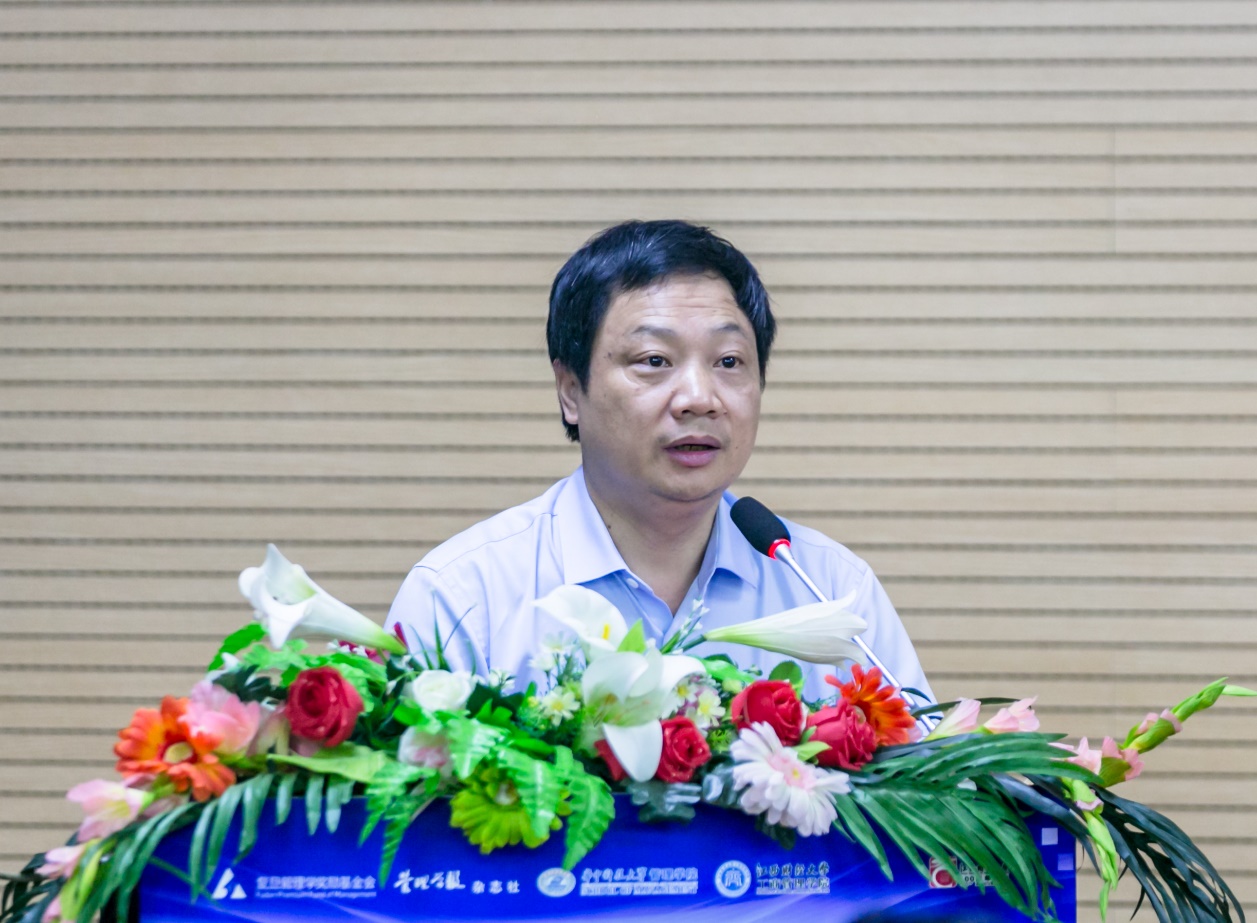
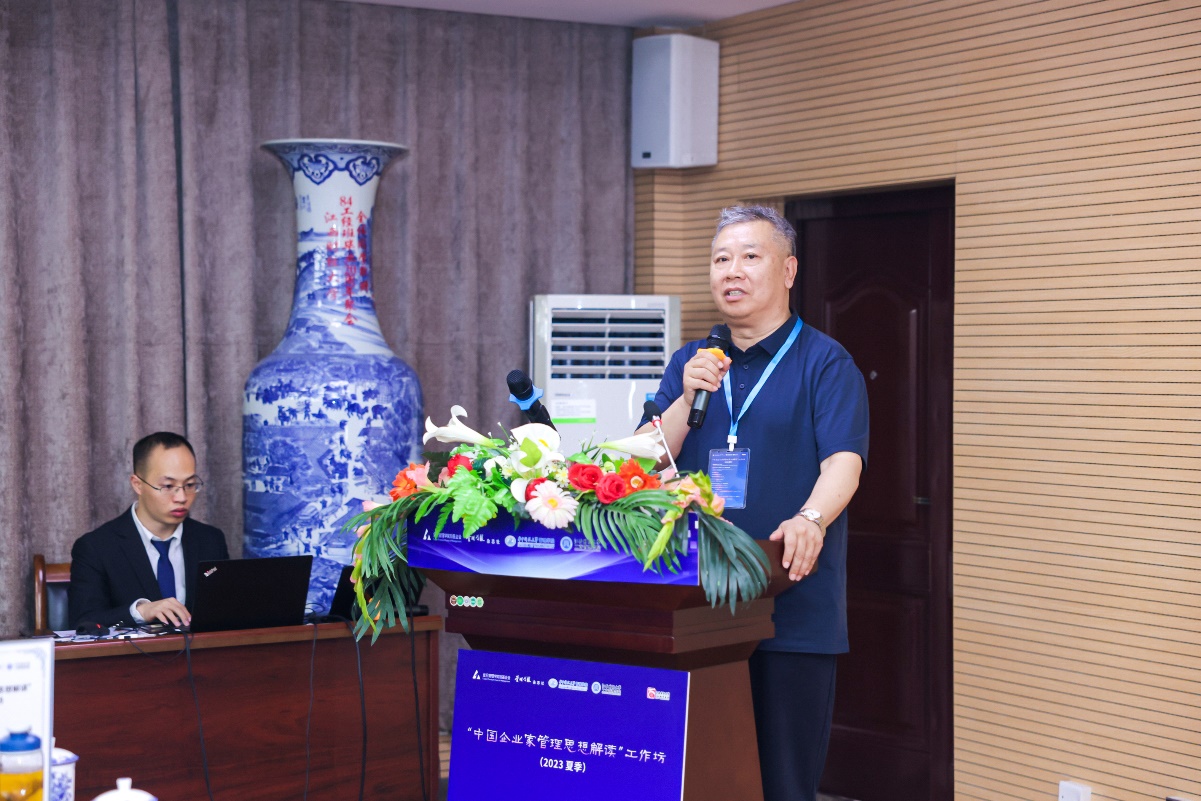
Chen Shifa pointed out in his speech that since the reform and opening up, China has formed a group of Chinese entrepreneurs with distinctive characteristics of the times, national characteristics and world standards. The experience and management wisdom of these entrepreneurs are of great significance to the exploration and construction of management theory system with Chinese characteristics, Chinese style and Chinese flavor. The convening of this workshop will surely find samples, set directions, develop ideas, promote exchanges and become norms for the study of Chinese entrepreneurs' management ideas, build bridges between the theoretical and practical circles, and contribute to the high-quality development of enterprises and the prosperity of academic diversification.
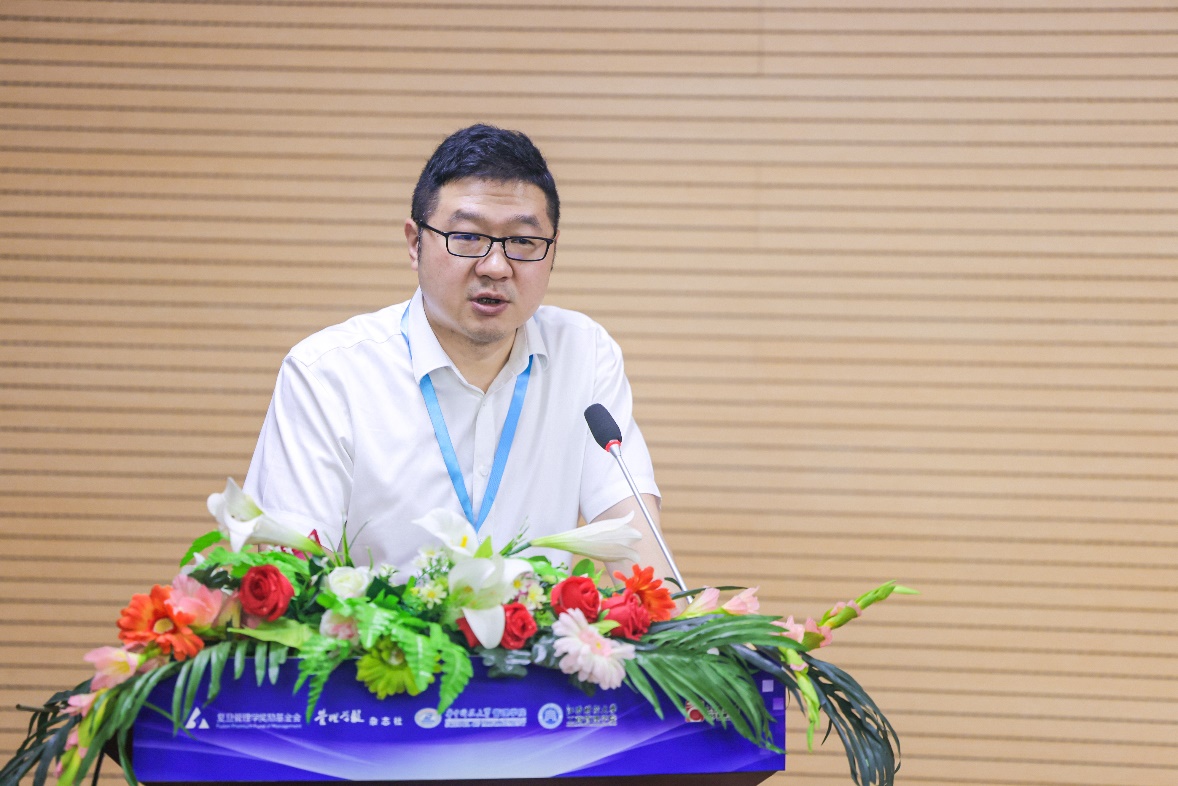
In his speech, Mr. Yang Ji reviewed the origin and development of "Interpretation of Chinese Entrepreneurs' Management Ideas" workshop, and considered that it is a positive manifestation of Huazhong University of Science and Technology's School of Management focusing on China's outstanding entrepreneurial groups and serving the country's major strategic needs in the spirit of science and methodology, and with a problem-oriented approach, and highly recognized the development and research results of JCIC's excellent cases in China. He also highly recognized the development and research results of JCIC in China's outstanding local cases, and called on Chinese management scholars to join hands with Chinese entrepreneurs to continuously promote the knowledge innovation, theoretical innovation and practical innovation of management discipline in China.
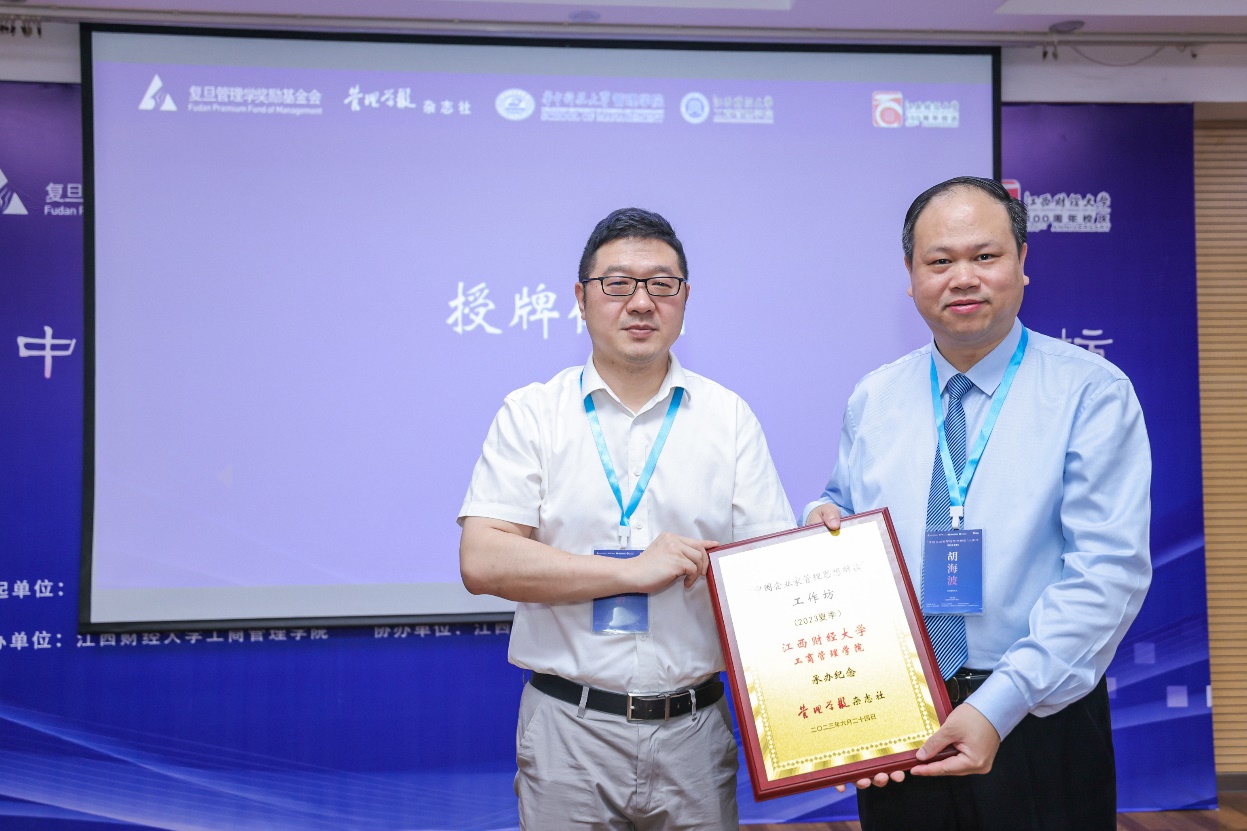
Afterwards, Tian Zhilong, deputy editor-in-chief of the Journal of Management, presided over the awarding and appointment ceremony, and Yang Zhi, on behalf of the organizer, awarded a plaque of thanks to the School of Business Administration, the contractor, and issued a letter of appointment to the additional experts of the Expert Committee of the column of "Management Thoughts of Chinese Entrepreneurs".
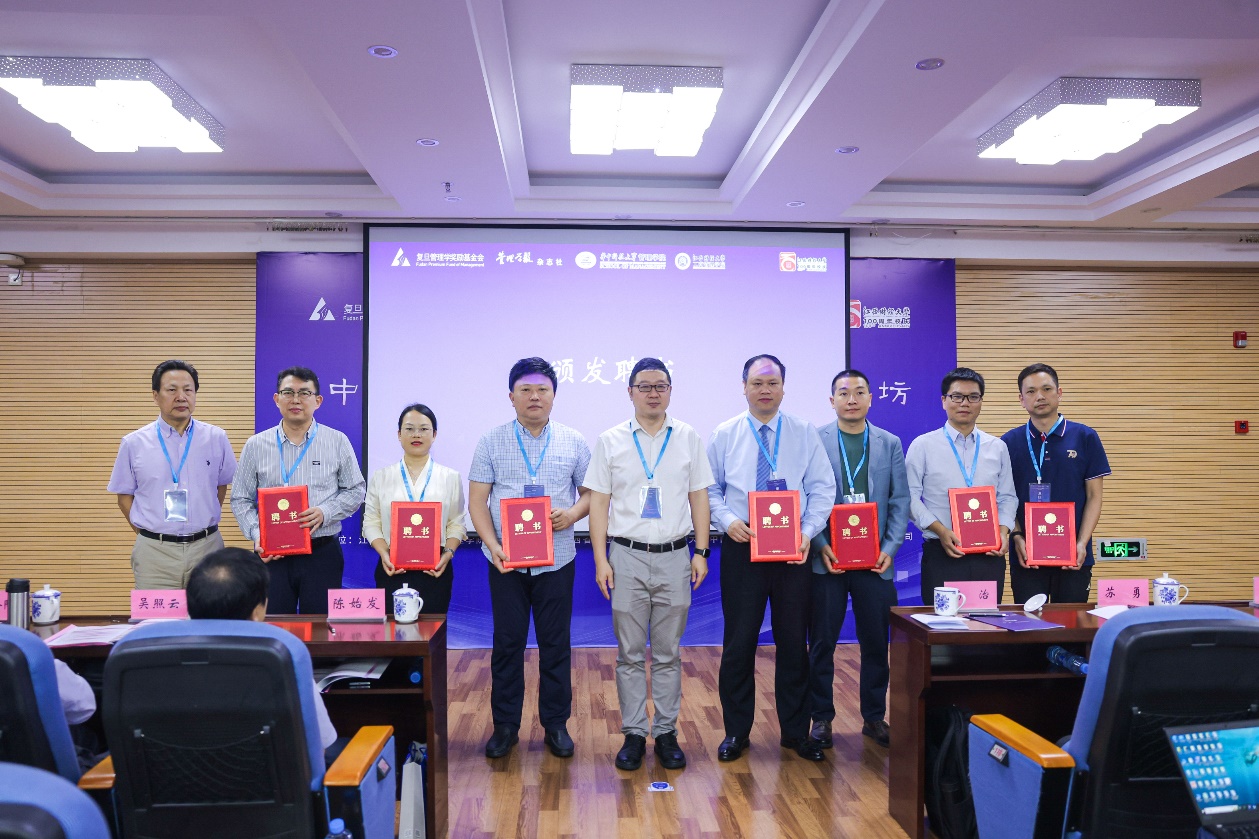
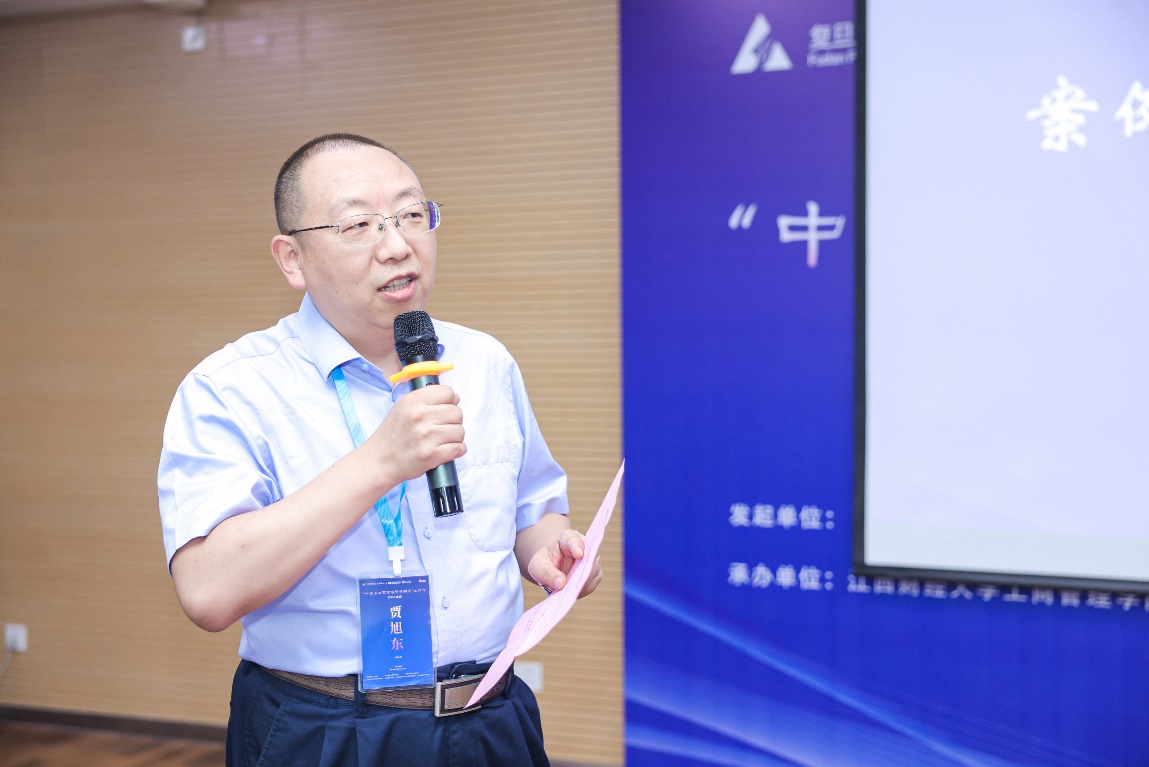
The workshop is divided into four sessions: theory, practice, presentation and exchange, hosted by Prof. Zhang Jinlong, Honorary Editor-in-Chief of Journal of Management, Prof. Sun Xinbo, Vice Dean of School of Business Administration of Northeastern University, Prof. Chen Zhijun of School of Management of Shandong University, and Prof. Jia Xudong of School of Management of Lanzhou University.
Academic discussion Theoretical truth-seeking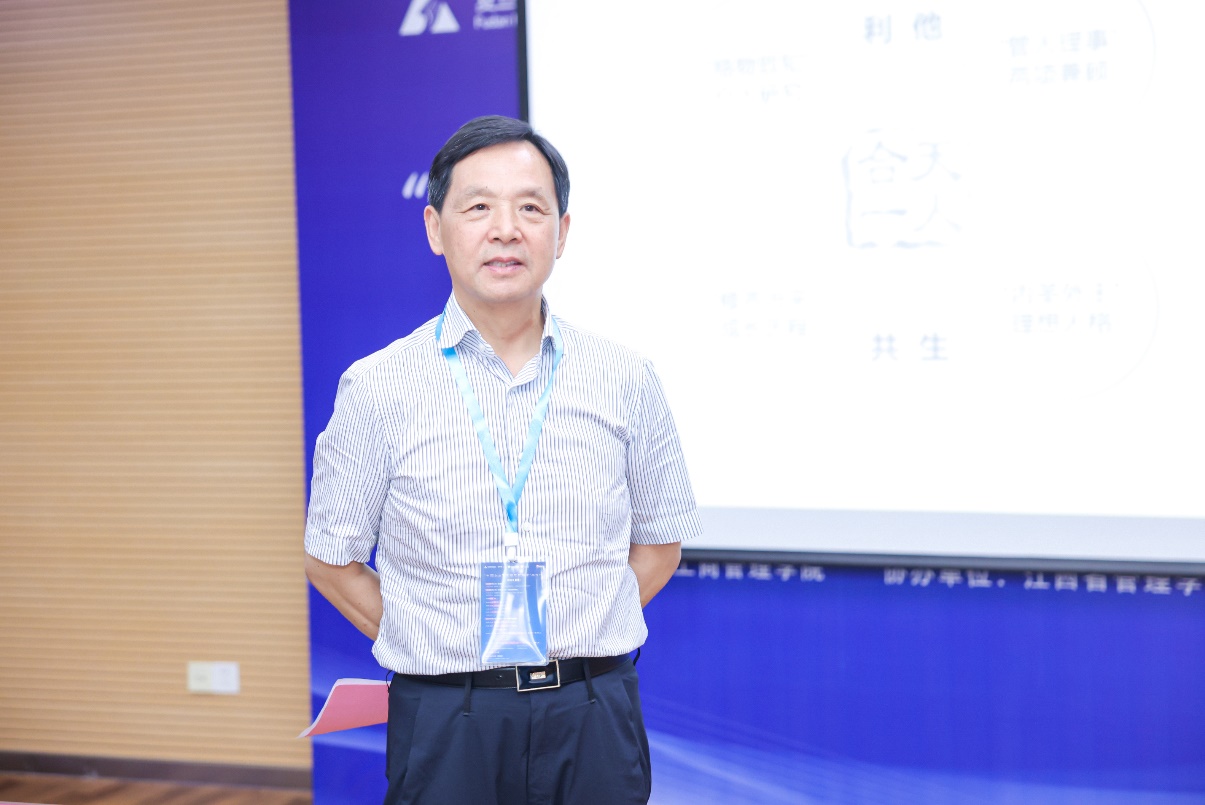
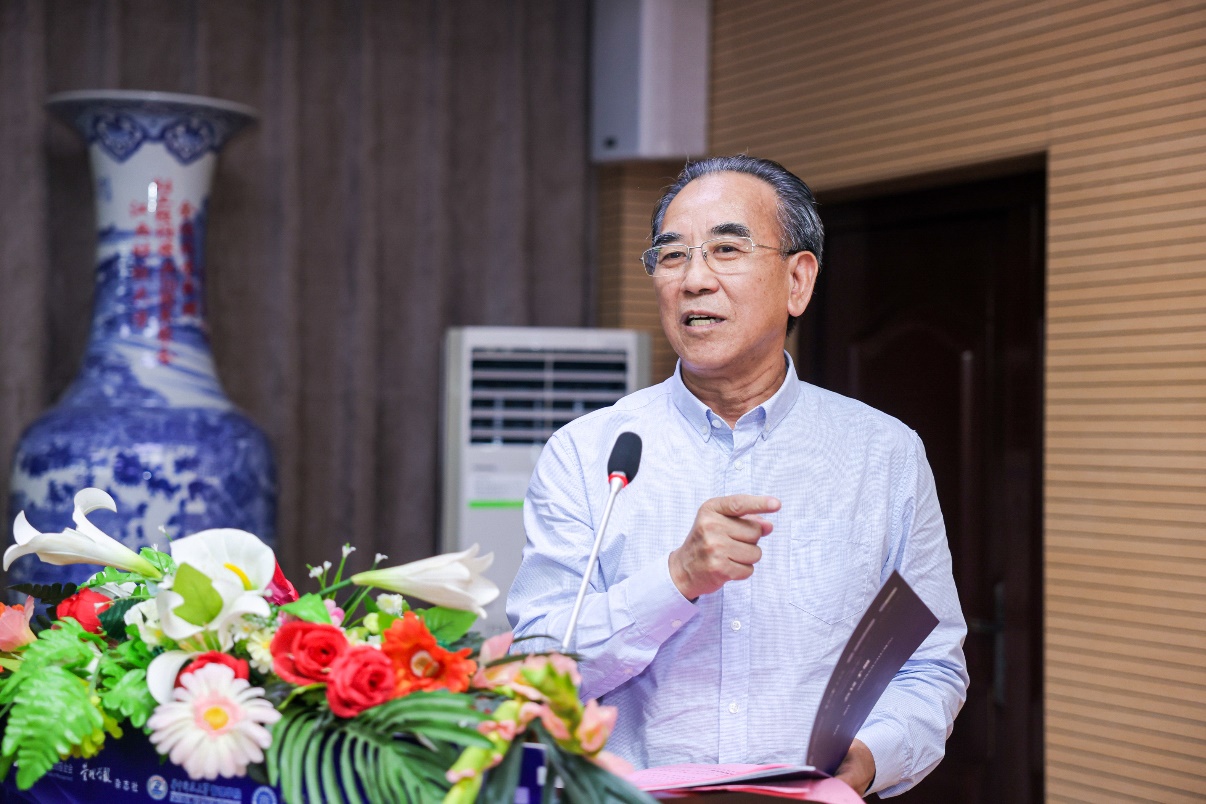
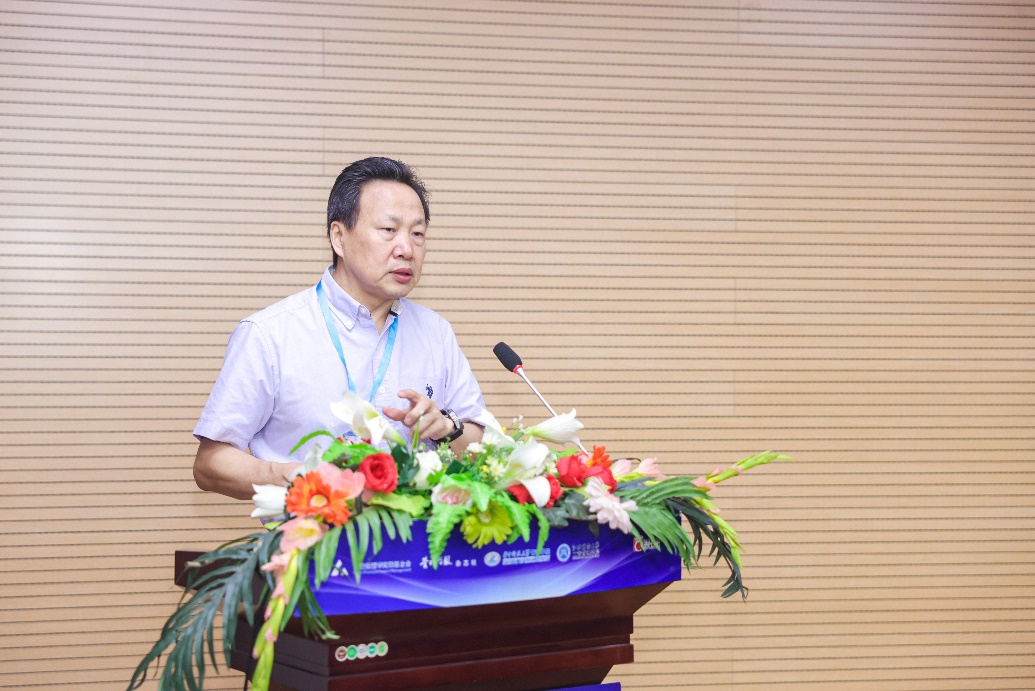
Prof. Wu Zhaoyun comprehensively summarized a series of achievements of enterprises, journals, universities and scholars in the construction of Chinese management theory, and pointed out that the future research should be done to "traditional culture" creation and transformation, and "trinity" management observation, Chinese Grammar" conceptualization, "Science and Technology for Good" value criterion, "Scripture and Evidence" research methodology, "top-down" research methodology, "full participation" research methodology, and "top-down" research methodology. The "six insistences" of "top-down" and "full participation", and advocate the preparation of new teaching materials to promote the implementation of the program.
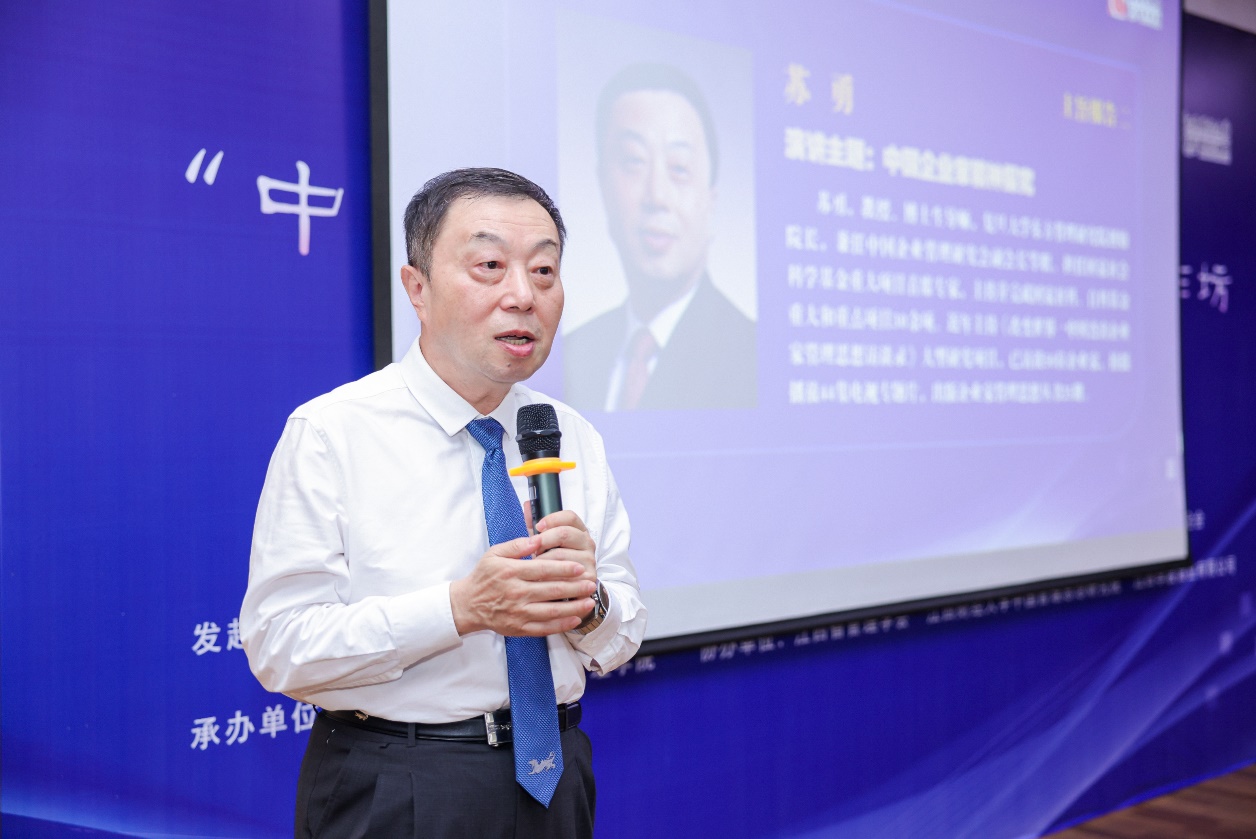
Taking the interviews of 46 outstanding entrepreneurs as a database, Prof. Su Yong uses the rooted theory to depict a holographic spectrum of Chinese entrepreneurship, including value-led qualities at the individual level, Taoist-artistic compatibility model at the organizational level, and environmental-ecological interactions at the social level, and vividly interprets it with the practical cases of Fontaine, Lenovo, Kingdee, Fuyao, and Coretronic, which suggests that enterprises should use their own management systems to Manage environmental uncertainty.
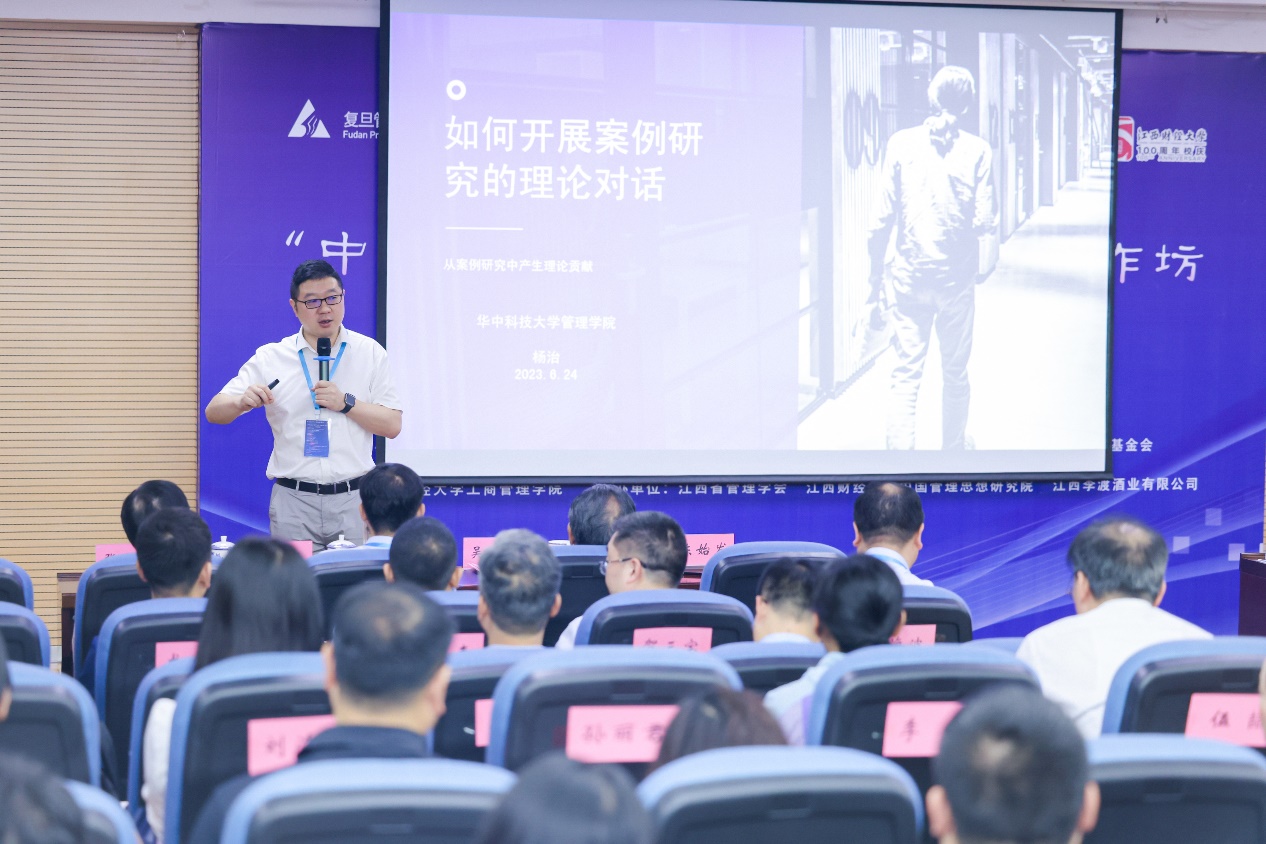
Starting from the four major purposes of case study, namely, reduction, understanding, discovery and generalization, Prof. Yang Zhi points out that a good case should have the basic features of novelty, abnormality and interest, which can help the readers to reduce and understand the reality and discover the law of generalization, and puts forward two major theoretical dialogues, i.e., "New Phenomena - New Concepts - New Theories" and "Old Problems - New Perspectives - New Interpretations". It also proposes two major ways of theoretical dialog between "new phenomenon - new conception - new theory" and "old problem - new perspective - new explanation", reminding the authors that they should use multi-methods of continuous observation to deepen the theoretical dialog into the real world.
Corporate stories Practice
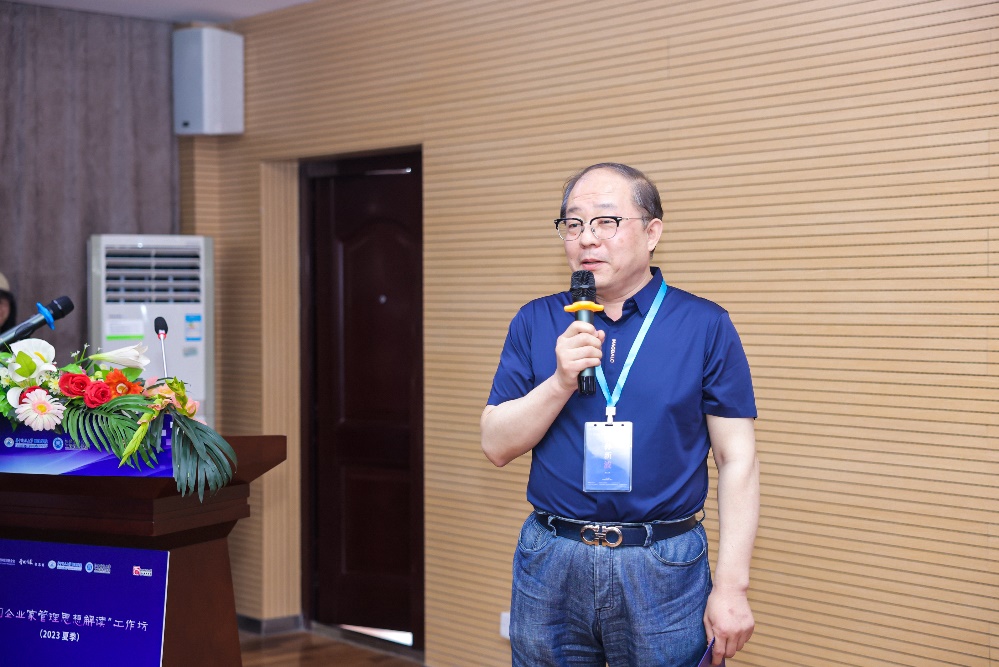
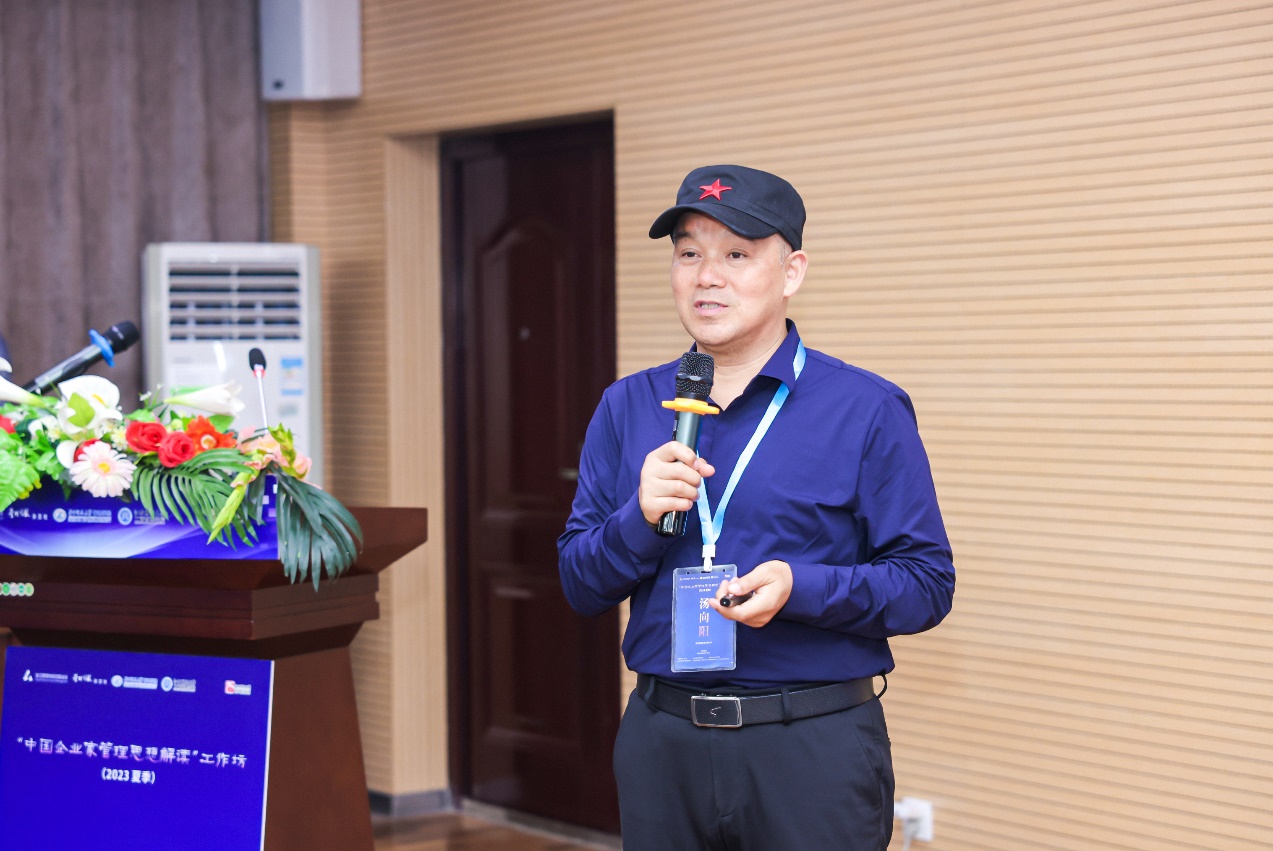
With the title of "Business Philosophy of the Rise of National Treasure Lidu", Mr. Tang Xiangyang, Chairman of the Board of Directors of Lidu Liquor, talked about how Lidu Liquor identified the pain points of the industry and itself during the past 10 years, and realized the process of leapfrog development through immersive experience, and summarized the secret of its success as "digging for the best culture and building the best quality" and "Learn the most cutting-edge lessons, do the most professional things", demonstrating the important influence of Chinese classics such as "The Analects of Confucius" and "Tao Te Ching" on Lidu's quality culture, historical culture, experience culture and organizational culture.
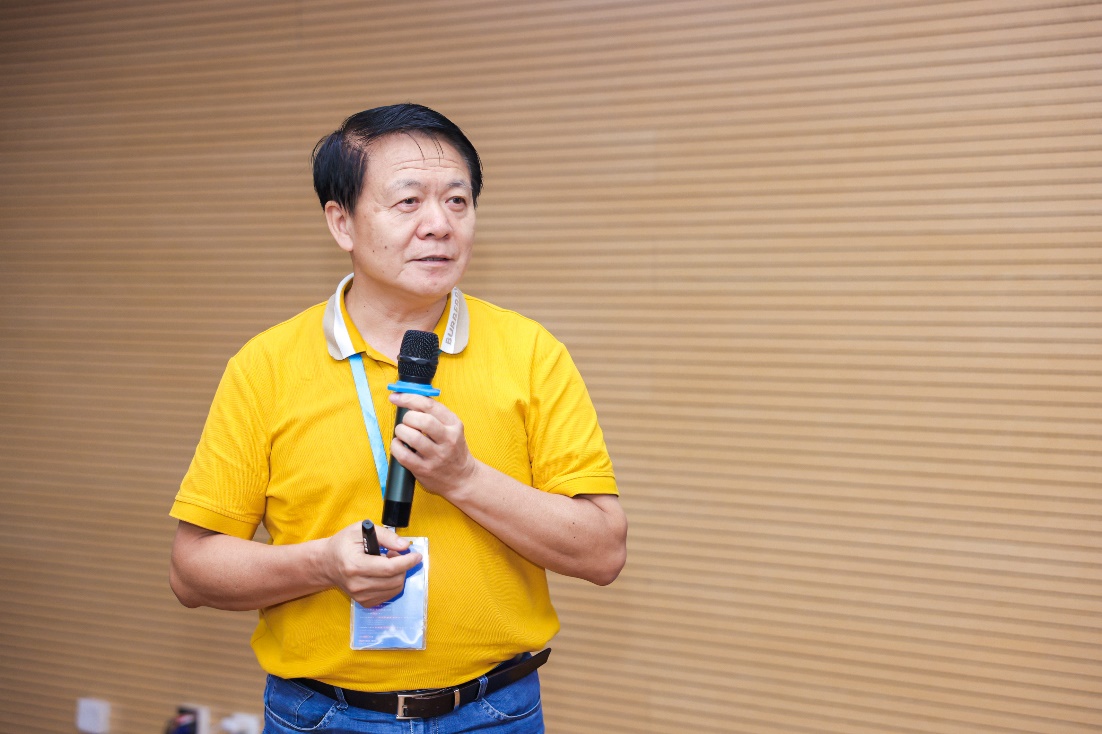
Mr. Wang Zhongqiu, the director of Lidu Wine Industry, used the Shuo Wen Jie Zi to interpret the connotation of "wine culture", and through the introduction of the stories of Chinese and foreign cultural celebrities and wine, he pointed out that the key to branding lies in whether or not it is possible to find a cultural fulcrum to be the first in a certain aspect, and that Lidu Wine Industry, which has deep cultural heritage and obvious brand identity, should endeavor to elevate its corporate culture to a regional culture, and to promote the inheritance of the wine culture. The combination of ancient brewing method and innovative modern service, the combination of material consumption and spiritual experience, the combination of Chinese culture excavation and the spread of Chinese civilization.
Case development Special report
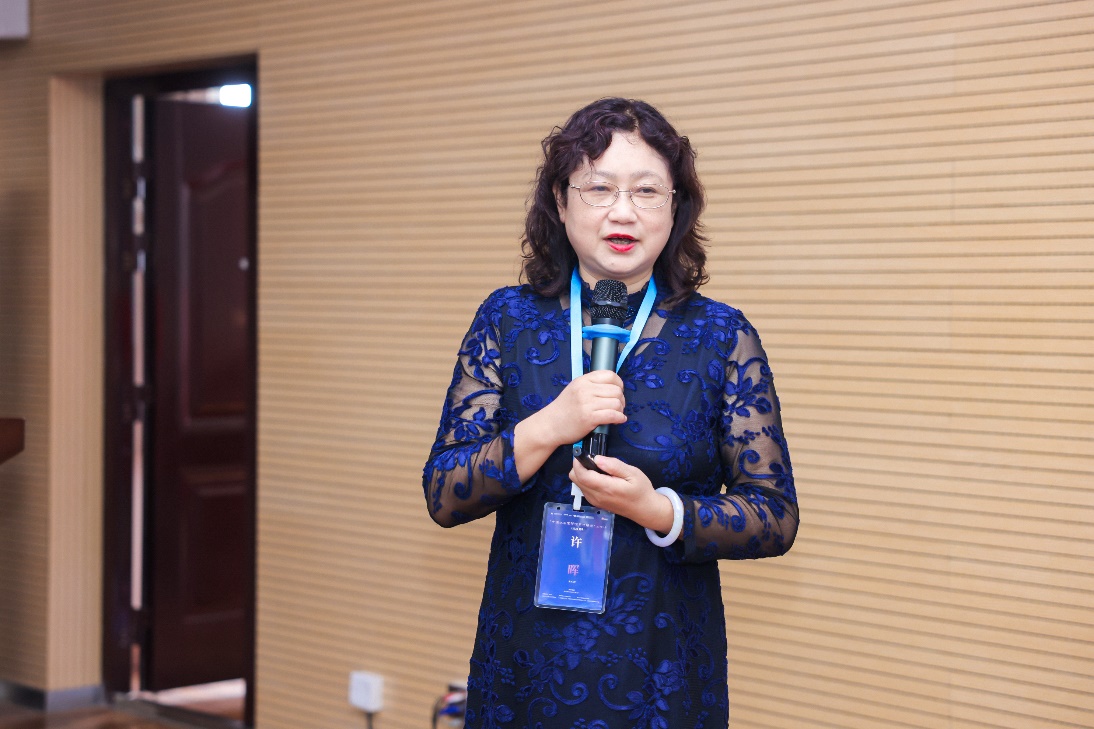
Professor Xu Hui takes the case study results of Born Globalization, Brand Face and Event Marketing as examples, pointing out that a good case study should satisfy the three basic characteristics of "detailed enough to be interesting, simple enough to be understandable, and credible enough to be accepted", and that the resonance between the theoretical world and the practical world will inject more energy into the management research. Resonance and resonance between theory and practice will inject more energy into management research, while scholars need to cultivate their own academic insights, so that practical wisdom and theoretical wisdom can reflect each other.
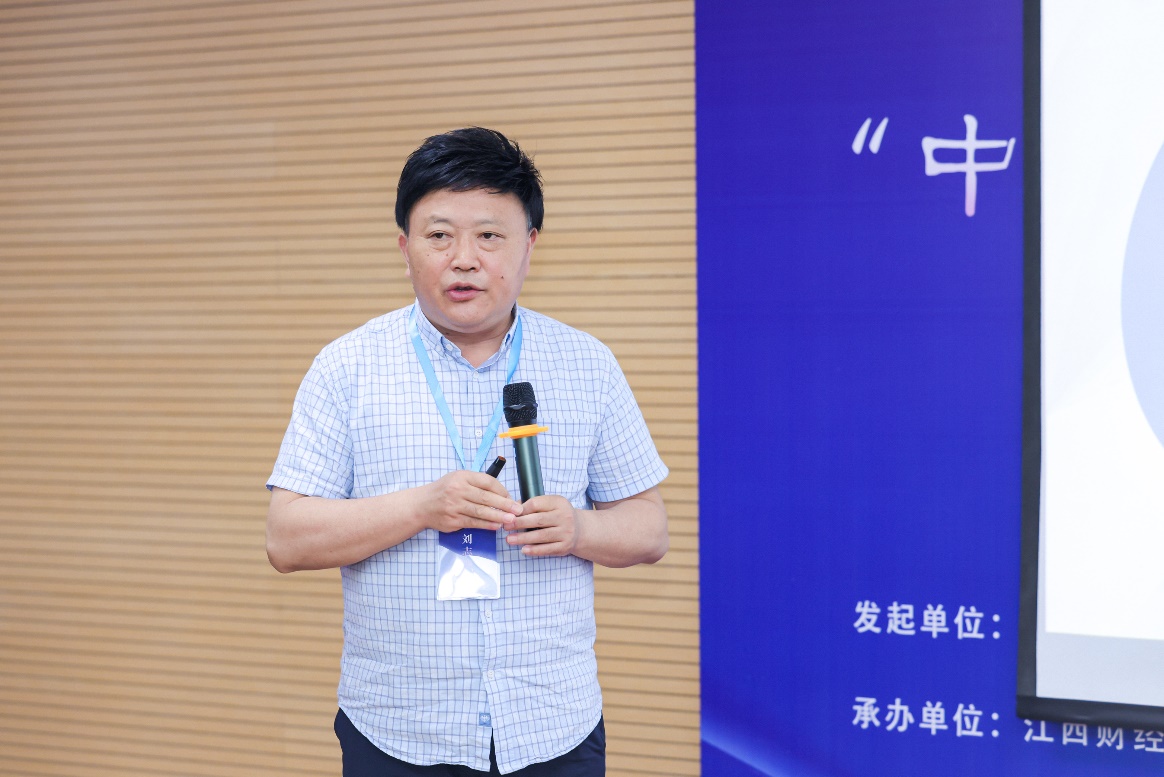
Prof. Liu Zhiying believes that Chinese-style management has both modern management science factors and special cultural context factors, and in order to answer the three questions of ontology, specificity and universality, we can use Wallace's "scientific ring" model to develop theories based on the Chinese context, explore the treasure house of Chinese excellent traditional culture, and extract research problems with both theoretical universality and practical specificity, and make original and ideological theoretical contributions. We can use Wallace's "scientific ring" model to develop theories based on the Chinese context, explore the treasures of the excellent traditional Chinese culture, and extract research problems with both theoretical applicability and practical specificity, so as to make original and ideological theoretical contributions.
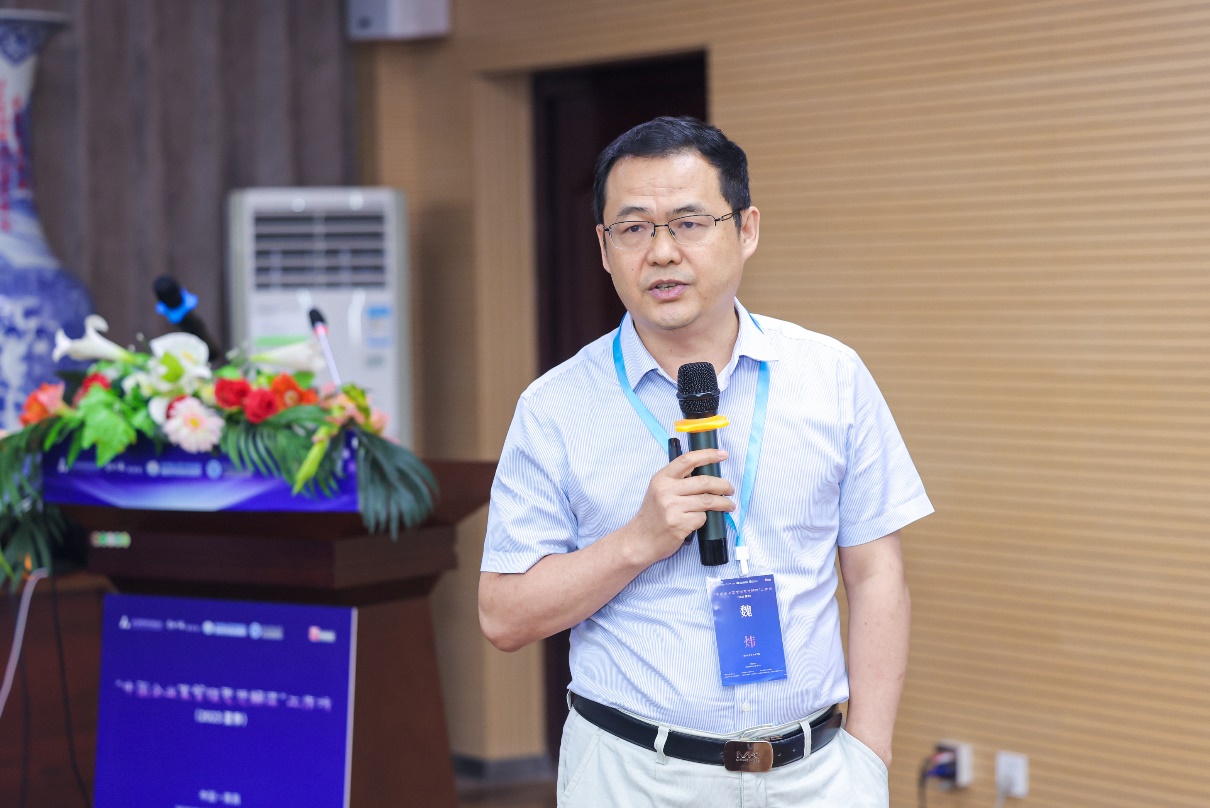
With the title of "How to Interpret Business Management Practices with Big Model of Business Studies", Prof. Wei Wei focuses on the perspective of case study tools and introduces how to use PHBS ExpertGPT technology for intelligent case writing based on the three teaching links of semantic comprehension, semantic application and business education scenarios, pointing out that the core advantage of big model technology is the ability to organize the text in different locations in a huge amount of documents into a logical, The core advantage of the big model technology is that it can organize the text in different locations of a huge amount of documents into logical and deterministic statements, which is a big change in case writing and teaching.
New things come out of the old Special topics
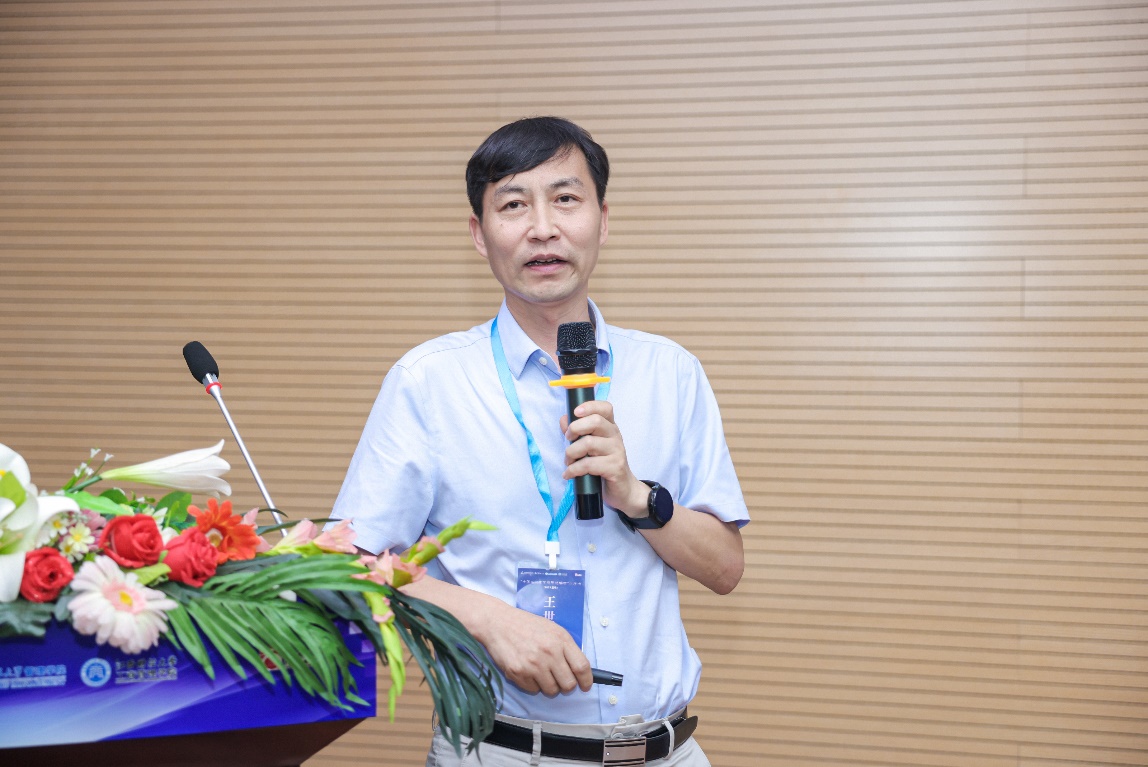
Based on his personal experience in case study, Professor Wang Shiquan believes that in the process of asking questions and case selection, we should grasp the theoretical and practical relevance, importance and novelty of the research questions. In the process of case description, we should focus on category analysis, material description, highlighting the main line of the story, supplemented by literature support for theoretical presentation. At the same time, we should avoid the misunderstanding of case proving theory, direct formation of theory and biased number of cases.
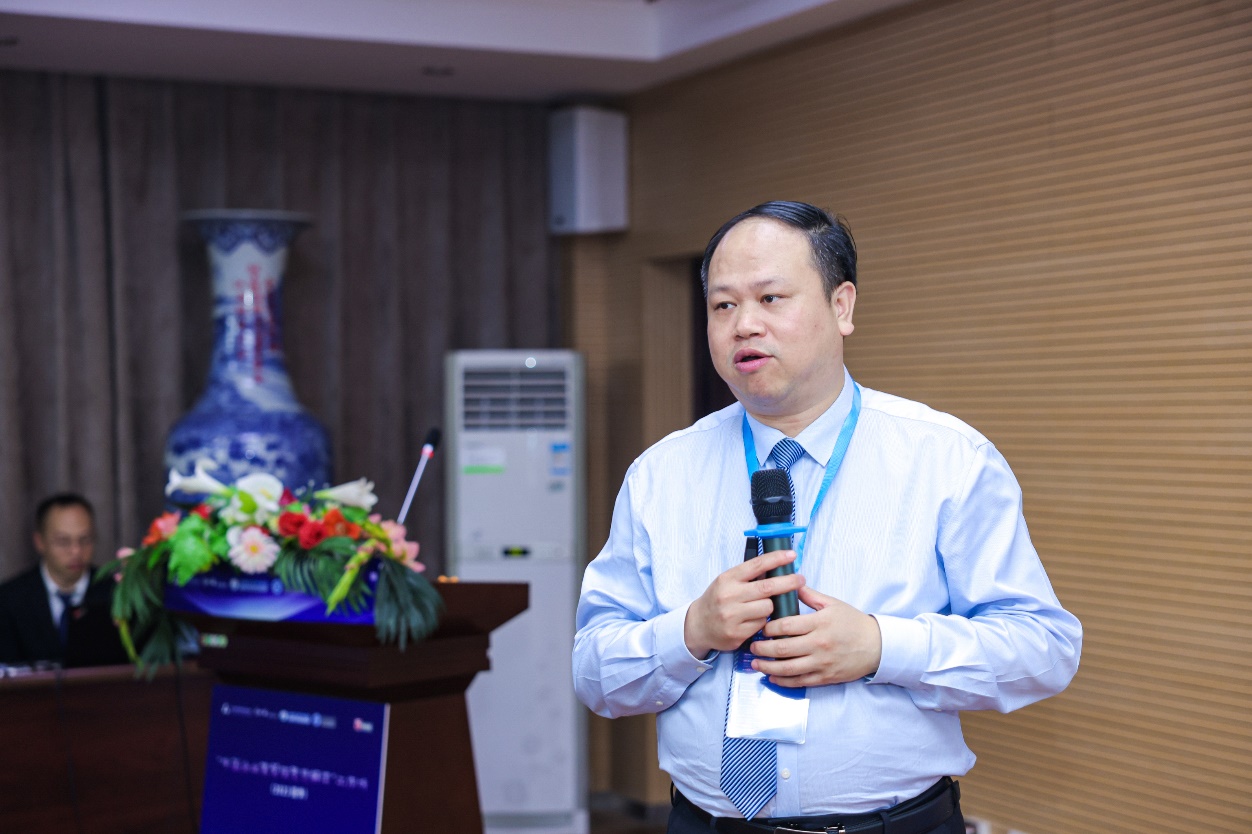
Based on the evolution of case study methodology at home and abroad, Prof. Hu Haibo believes that case study in the age of intelligence should parallel the construction of research norms and theories, and promote the cross-fertilization of case study as the main and multiple methodologies, such as enriching the data sources with network crawlers, enriching the analysis strategies with theoretical cross-border, deepening the case discussion with qualitative comparison, etc., and encourages teachers and students to take a step to learn the methodology, and to sound the strongest voice of the times.
Grinding papers Closed communication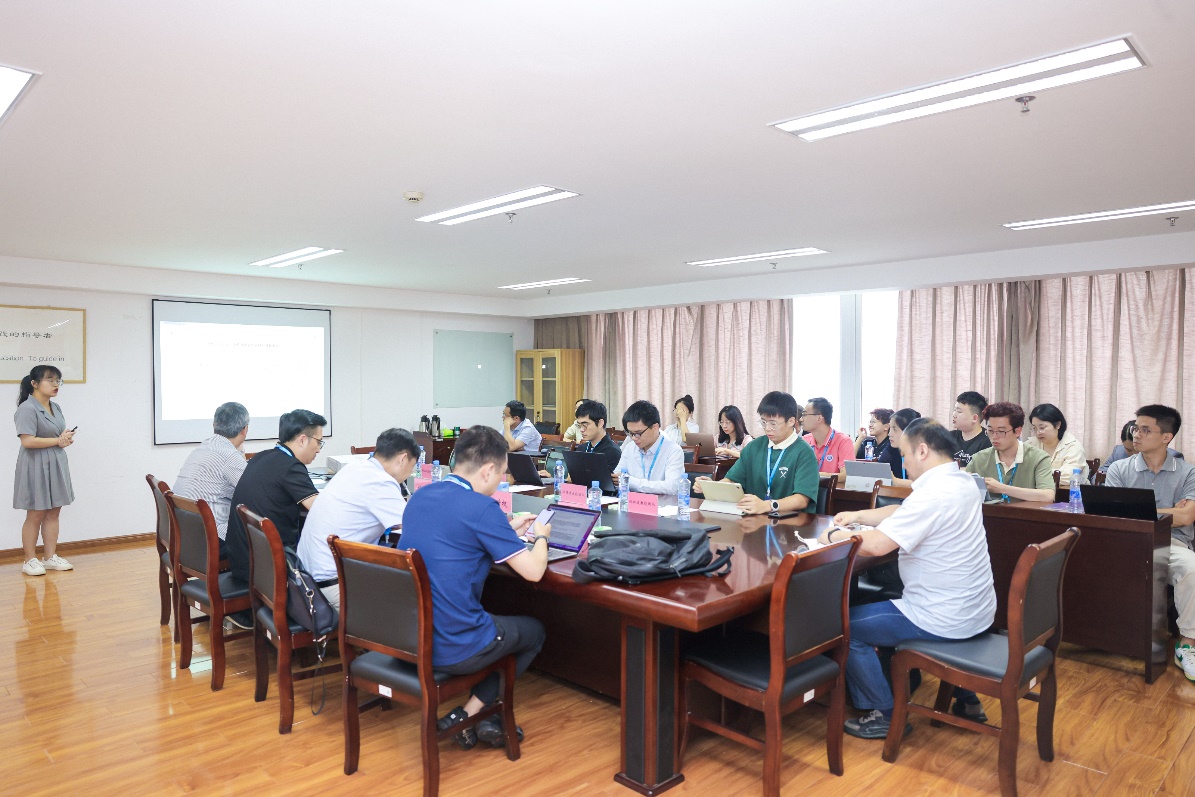
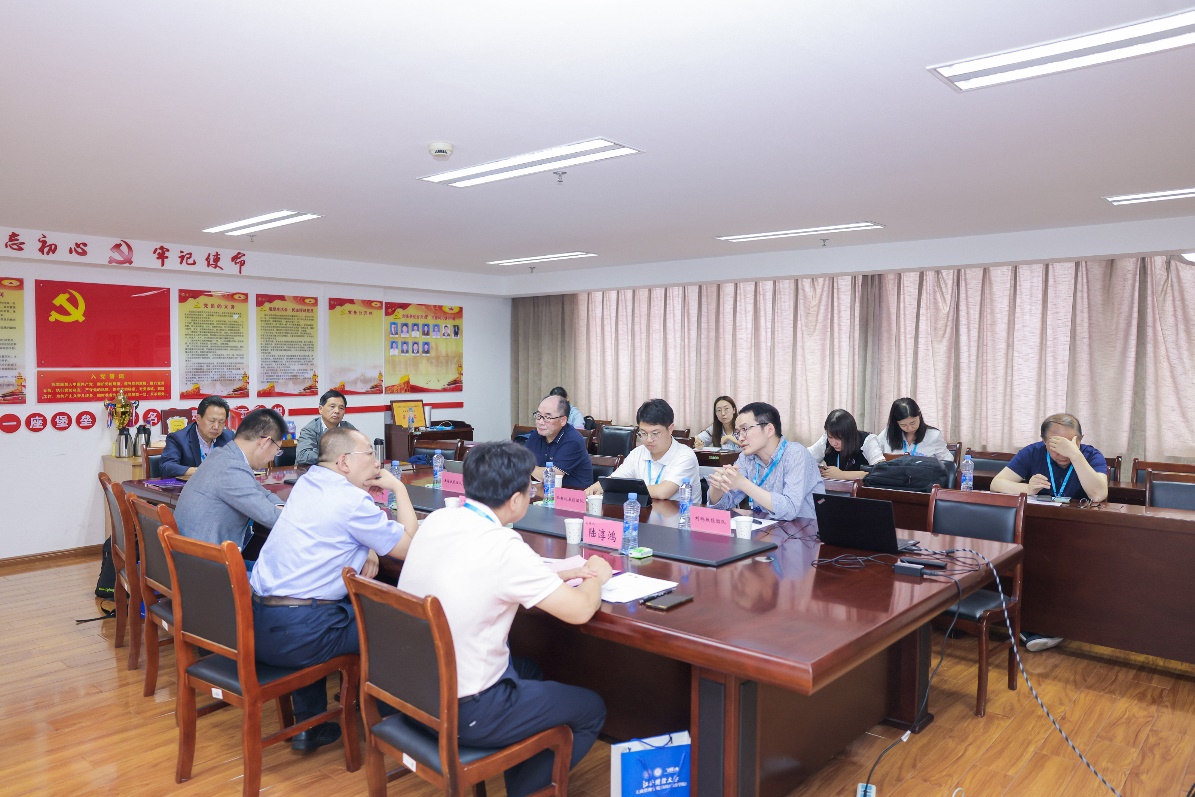
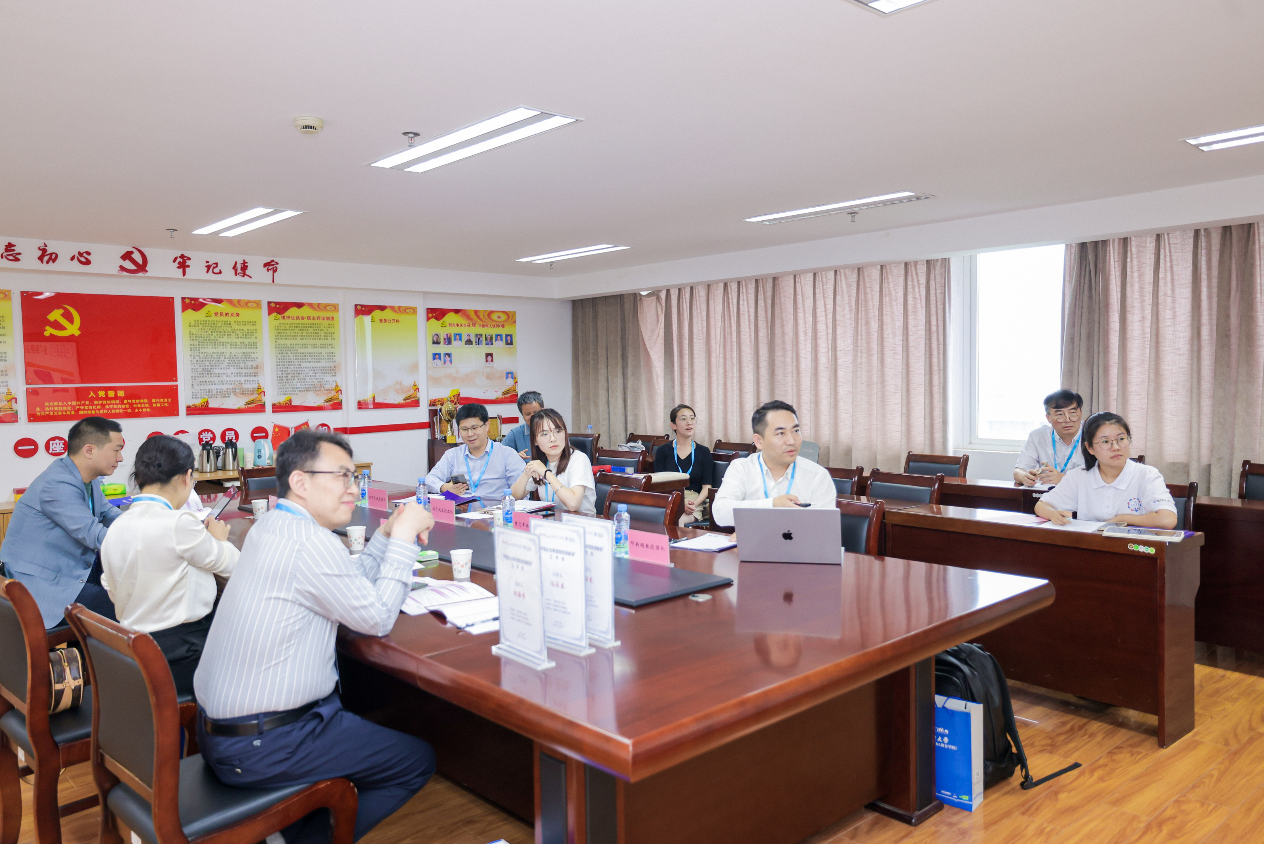
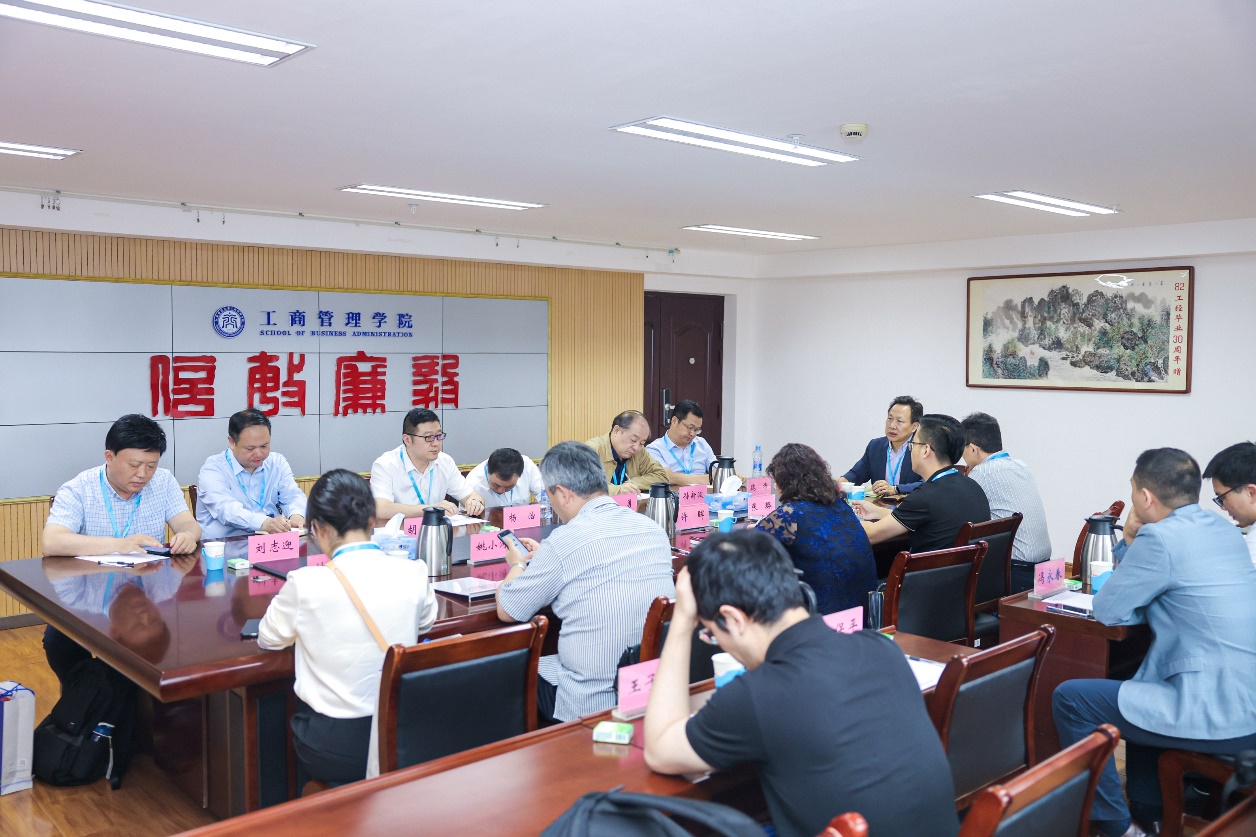
A total of 11 papers (selected topics) participated in this workshop, and the research team was divided into three groups to discuss with experts on cutting-edge topics such as female entrepreneurs, institutional entrepreneurship, scenario empowerment, dynamic capabilities, digital native, etc. After the exchange of papers, the participating experts and scholars made suggestions on how to better develop the column "Management Thought of Chinese Entrepreneurs". After the papers were exchanged in groups, experts and scholars at the closed-door consultation meeting put forward suggestions on how to better carry out the research on "Management Thoughts of Chinese Entrepreneurs" and improve the column of "Management Thoughts of Chinese Entrepreneurs".
The School of Business Administration has long been committed to promoting the "two combinations" in the field of management, and the convening of this workshop on "Interpretation of Management Thoughts of Chinese Entrepreneurs" is not only a major initiative to implement the spirit of the 20th National Congress, but also an effort to summarize China's management practice and construct China's management theory, as well as an effort to strengthen cultural self-confidence and tell a good Chinese story. This workshop is not only a major initiative to implement the spirit of the 20th National Congress, but also an effort to summarize China's management practice and construct China's management theory, as well as a leap forward in firming up cultural self-confidence and telling China's story, which will play a good role in promoting the elaboration of China's practice with China's theories and sublimation of China's theories by Chinese practice.

Address: Fenglin West Street, Changbei Economic and Technological Development Zone, Nanchang, Jiangxi Province Email:gsxy@jxufe.edu.cn
Copyright: Jiangxi University of Finance and Economics School Postal Code:330032 Office phone:0791-83816813